Event details
- Date
- 31 Oct 2026
About this event
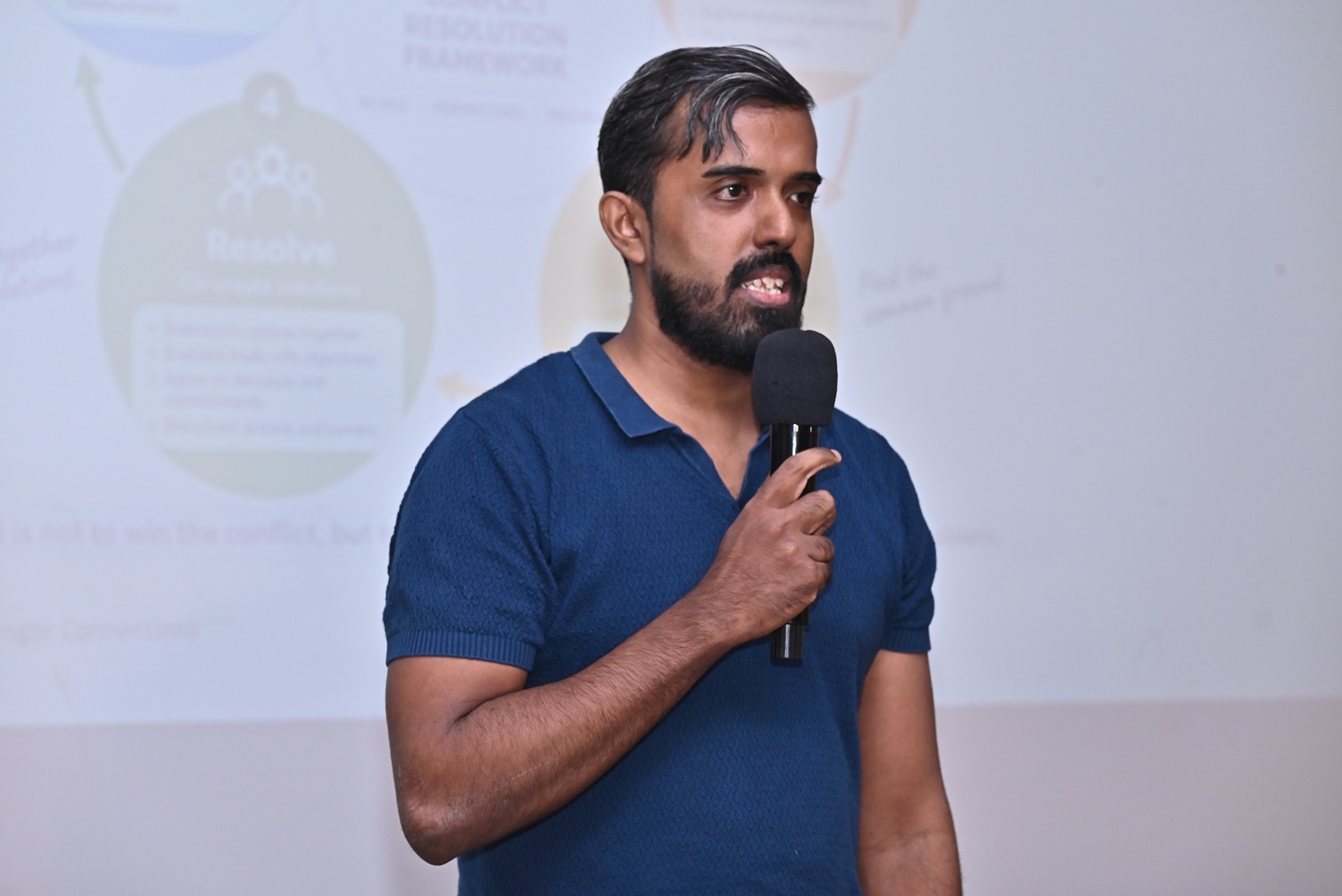
About the speaker
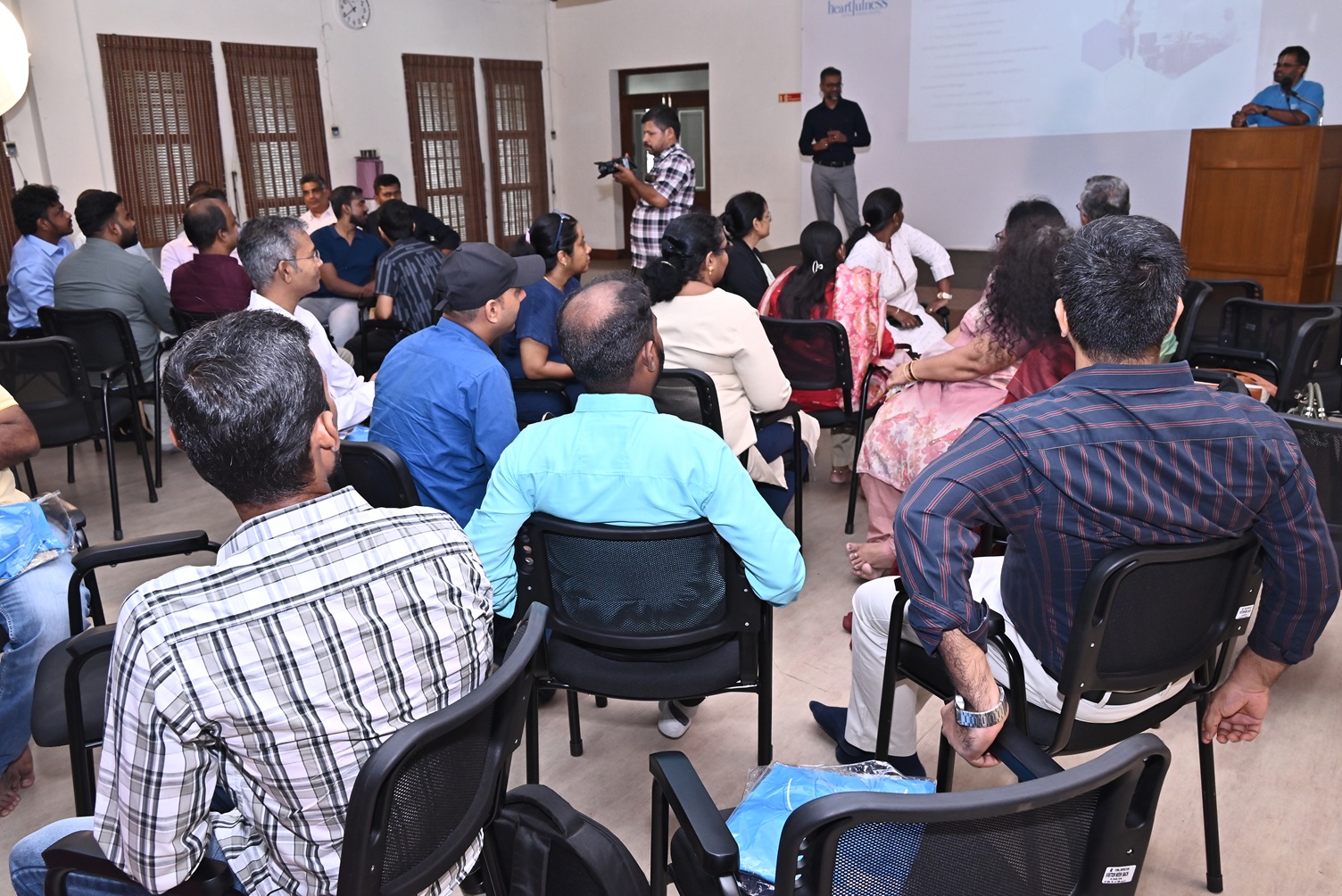
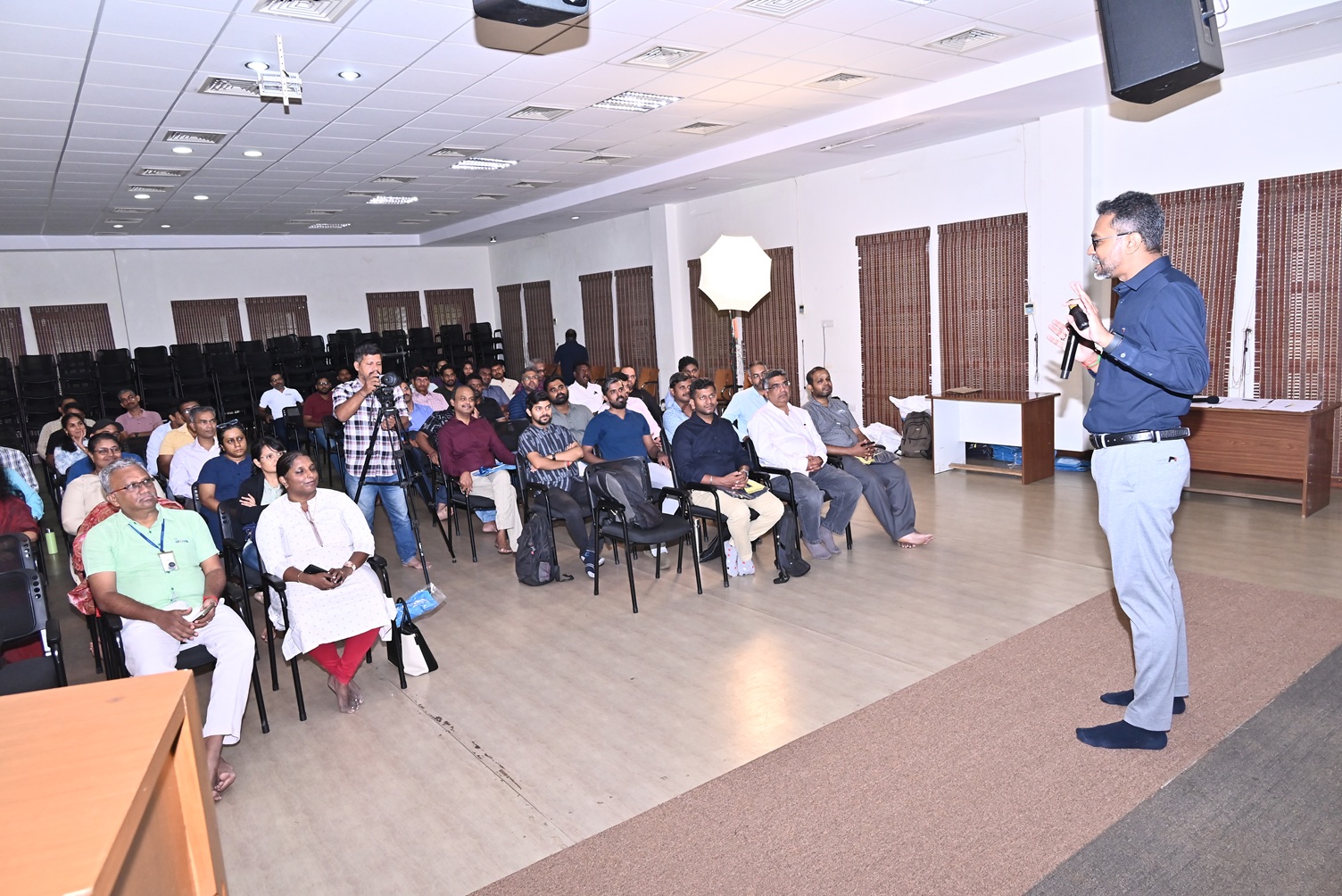
Mr. Dinesh Balaji is a specialist in Continuous Improvements at Vestas, with over 18 years of experience across aerospace, renewable energy, and heavy engineering. He holds a bachelor’s degree in Aeronautical Engineering. A Toastmaster since 2014 and a Distinguished Toastmaster, he has served as Division Director and District 120 Club Retention Chair, supporting over 20 clubs and 400 members. He is also a soft skills trainer and master of ceremonies.
Conflict Management
Conflict is a regular part of project work. Different priorities, specialist functions, dependencies, and unclear expectations can create tension. The project manager’s task is to recognize it early, understand the concerns, and help stakeholders agree on a workable way forward. Use this guide to prepare for a difficult conversation, facilitate a discussion, and turn an agreement into action. The aim is to protect trust and delivery while making collaboration a daily habit.
Why early action matters
Unresolved disagreement can consume attention, delay decisions, weaken trust, and discourage participation. Repeated firefighting also places pressure on skilled team members. Early clarification gives people a chance to address the issue before frustration becomes personal.
Five practical stages
- Recognize and define the conflict- Describe the issue and its impact without assigning blame.
- Understand the perspectives -Explore causes, concerns, facts, and constraints.
- Reframe around a shared objective - Create a problem statement everyone can work on.
- Resolve together - Compare options, agree trade-offs, and assign owners and timelines.
- Reinforce and learn-Check progress, recognize collaboration, and prevent avoidable recurrence.
The mindset to carry forward
Move the conversation from “I have a problem with you” to “We have a problem to solve.” Agreement on every viewpoint may not be possible. A useful outcome can still be a clear decision, an understood trade- off, and a commitment to work together respectfully.
Recognize and understand the conflict
Notice tension before it escalates
Look for repeated interruptions, defensive responses, withdrawal, unresolved decisions, conflicting instructions, or recurring escalation. Treat these as prompts to ask questions. A behaviour alone does not tell you what someone thinks or intends.
Define the issue in observable terms: what happened, who is affected, and what project outcome is at risk? Clarify roles, responsibilities, requirements, and decision authority where they are unclear.
Ask: “What are we disagreeing about?” “When did the issue begin?” “What happens if we leave it unresolved?”
Separate facts from assumptions
Past experiences can influence how we interpret a customer escalation or a supplier’s response. Before deciding who is responsible, check the agreed requirements, delivery records, approvals, and relevant communications.
For example, “The supplier is unreliable” is a judgment. “The delivery arrived three days after the agreed date” is a statement that can be checked. Establish the evidence, then investigate the cause.
Listen for the concern behind the position
A stakeholder asking for more time may be protecting quality, managing a resource shortage, or waiting on
an approval. Ask open questions, summarize what you heard, and invite correction. Listen to understand
before proposing your answer.
- What outcome matters most to you?
- What constraint is making this difficult?
- Which requirement is essential, and which is flexible?
- What information or support would help us move forward?
Show empathy through action
Acknowledge the concern and reflect it in the next step. Saying “I understand” is not enough if the proposed solution ignores the limitation that was just explained. Document relevant dependencies, resource limits, and risks in the appropriate project plans.
Escalate for a clear purpose
Escalation should obtain a decision, authority, or support that the group cannot provide itself. Explain the issue, impact, options considered, actions already attempted, and the specific decision needed. Follow the project’s governance and escalation arrangements.
Reframe and resolve together
Build a shared problem statement
Reframing brings different perspectives into one question the group can address. Use neutral language, name the shared objective, and make the constraints visible. Ask each stakeholder whether the statement fairly captures the issue. Instead of “The supplier is blocking our release,” try: “We need a release plan that meets the required
quality standard within the available delivery capacity.”
Put the options and trade-offs on the table
Invite proposals before committing to a solution. Compare the effect of each option on scope, schedule, cost, quality, dependencies, and stakeholder needs. A collaborative discussion makes the consequences of each choice explicit.
- If the deadline stays fixed, what extra capacity or scope adjustment is needed?
- If the budget stays fixed, what can be delivered within it?
- Which requirements must be protected, and who can authorize a change?
- What risk does each option introduce, and how will it be managed?
Seek an outcome that addresses the important concerns on both sides. Where compromise is necessary, make the concession and its impact clear. Do not assume that silence means agreement.
Turn the agreement into a concrete plan
Confirm the selected approach, the reason for the decision, and any remaining disagreement. For each action, name one accountable owner, a realistic due date, the expected result, and relevant dependencies. Agree when progress will be reviewed and who will decide if the plan needs to change. Close by asking: “Can each owner confirm their action and deadline?” and “Is there any constraint that would stop us delivering this plan?” Share the decision record with the people who need to act.
An everyday example of a workable middle ground
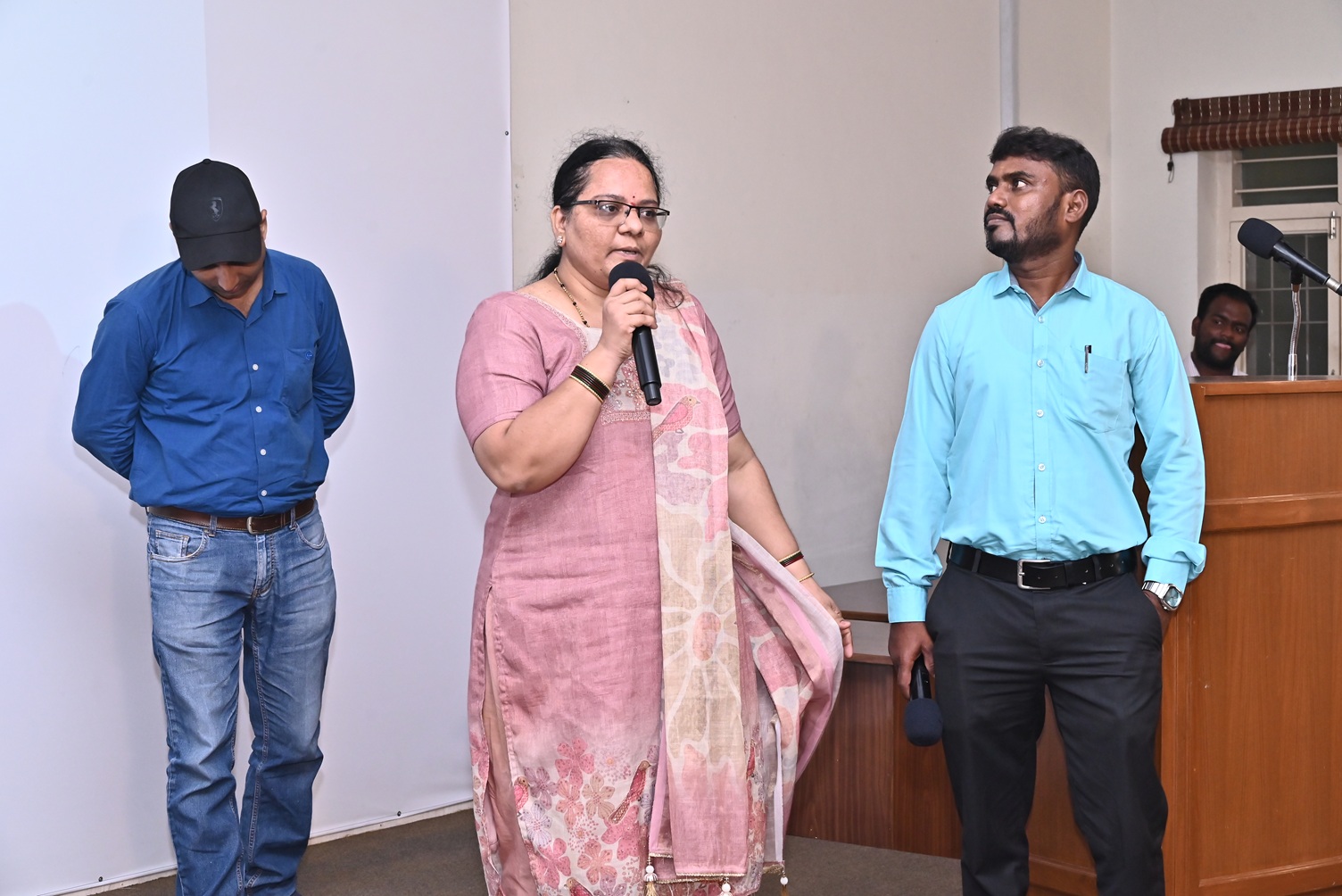
The speaker described balancing weekend family responsibilities with attending the session. Discussing the constraint with the organizers led to an arrangement that allowed him to bring his daughter. The lesson is to explain the underlying need and explore alternatives together, rather than assume the first apparent conflict has no solution.
When full agreement is not possible
Clarify what remains unresolved and use the agreed decision process. Record the rationale, risks, and next review point. People may retain different views while understanding the decision and their responsibilities.
Reinforce collaboration and apply the learning
Check that the solution works
Review whether actions were completed and whether the original tension has reduced. Ask the people involved what has improved and what remains difficult. If the issue returns, revisit its cause and the assumptions behind the chosen solution.
Recognize the behaviours you want repeated
Acknowledge people who share information, listen carefully, support another team, or make extra effort to solve a shared problem. Be specific about their contribution and its impact. Consistent recognition helps make cooperation part of the team’s everyday working practice.
Capture lessons and reduce recurrence
Record what caused the conflict, which interventions helped, and what should change. Update unclear responsibilities, approval routes, communication routines, or risk responses where needed. Share useful lessons across functions so other teams can benefit.
Practice activity for attendees
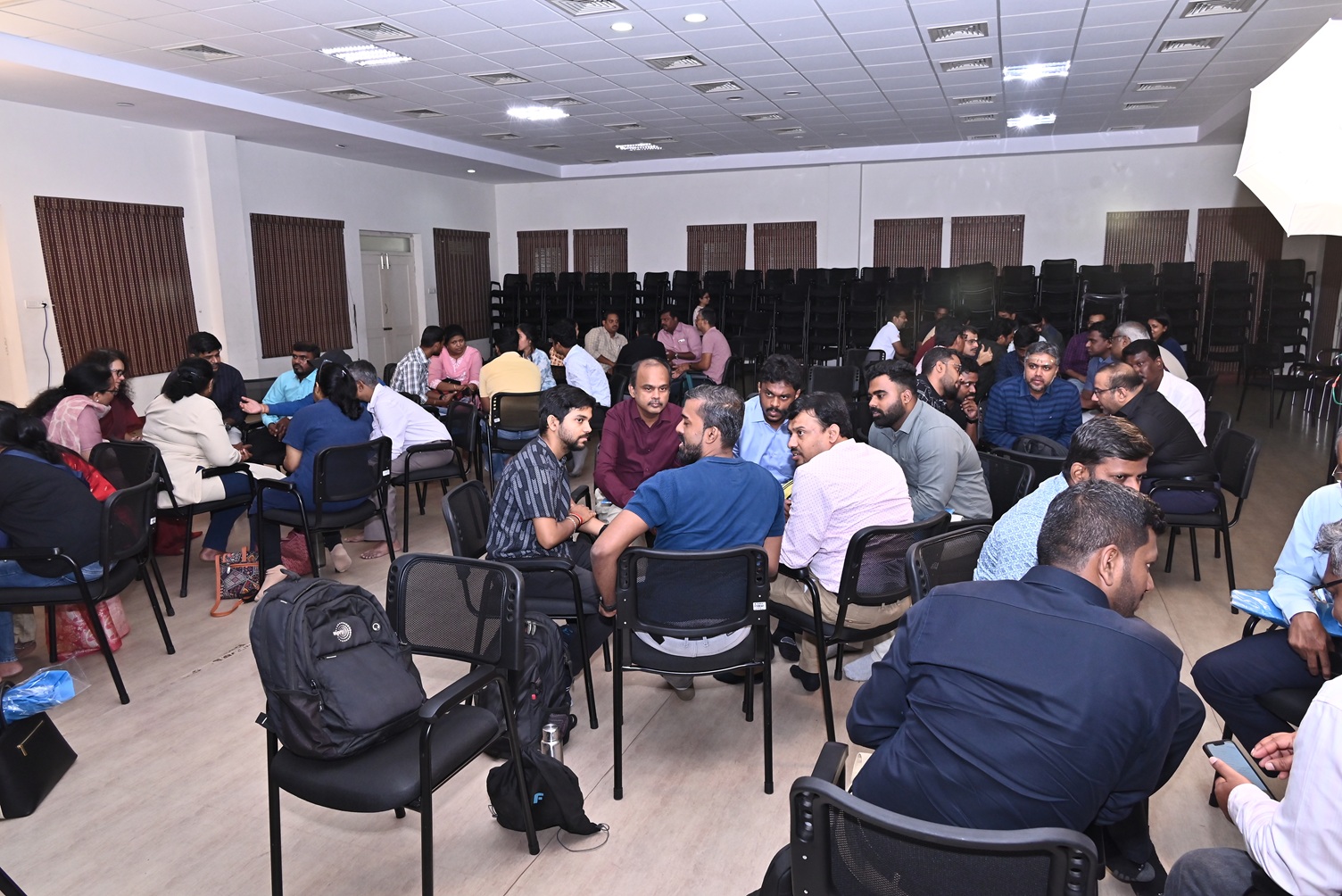
Use this suggested role play to practise the approach. A supplier says an essential component will arrive late. The project lead wants to protect the release date, while the quality lead requires time for validation.
The supplier has limited capacity.
- Assign the roles of project manager, supplier, quality lead, and observer.
- Let each stakeholder explain their concern and constraint. Separate known facts from assumptions.
- Agree on a neutral statement of the shared problem.
- Explore at least two options and discuss the consequences.
- Record the chosen approach, action owners, due dates, and review point.
Debrief: Did everyone have an opportunity to speak? What changed after reframing? Were the trade-offs clear? Could each owner explain their commitment? What would you do differently next time?
Your next difficult conversation
- Define the issue and the outcome at risk.
- Check the facts and hear each perspective.
- State the shared objective and the key constraints.
- Agree a workable plan with owners and dates.
- Review the result, acknowledge contributions, and capture the lesson.
Personal commitment: Identify one current disagreement. What is the first question you will ask, who needs to join the conversation, and when will you take that step?
Photos from this event
Turning Conflict into Collaboration
View gallery